
Holiday Season Stress

While Christmas brings joy to many people, the holidays can be a stressful time for some. Whatever the cause of your stress around the holidays, it’s important to find healthy ways to cope.
Loneliness & Isolation
Being separated from your loved ones around the holidays can be tough. You might be working away from your family, lost a loved one recently, or may just generally be feeling alone and isolated. Keeping in touch with your people can be as simple as a video or phone call, or having a family or friends holiday page on social media where everyone can share what they are doing. If you’re still feeling lonely, you could consider attending community holiday events. Some communities also hold an ‘Orphan’s Christmas’ event, where people can come together and share a meal with others over the holidays. You could even host your own ‘Orphan’s Christmas’ event to bring together any friends who might be feeling lonely and isolated. And there’s always places like Friendline, where anyone is feeling a bit isolated can have a chat with some lovely volunteers.
If you have time to spread some Christmas cheer, volunteering with a community organisation is a great way to help people feel more connected. If volunteering isn’t your thing, simply having a cuppa with a neighbour or checking in on a colleague who is missing their family over the holidays can make a meaningful difference to someone who is feeling alone.
A study conducted in 2022 found that 31% of Australians, including 44% of men aged 18-34, feel lonely during Christmas.

Financial Stress
Family Christmas gifts, stocking stuffers, work gift exchanges, parties and hosting Christmas dinner can be very expensive. A recent study found that with the significant increases in cost of living, almost 9 in 10 people are worried about rising costs this holiday season. To reduce costs, you could consider capping the amount of money spent on each gift, have everyone chip in to buy a larger gift, or do a Secret Santa exchange where everyone only buys a single gift. If you’re crafty, handmaking gifts and decorations can also help ease financial pressures.
Hosting Christmas meals can also come at a cost. By asking each person to bring a dish and their own drinks, you not only keep the costs of hosting down, but you also won’t have to spend the whole day in the kitchen preparing the food!
Family Tension
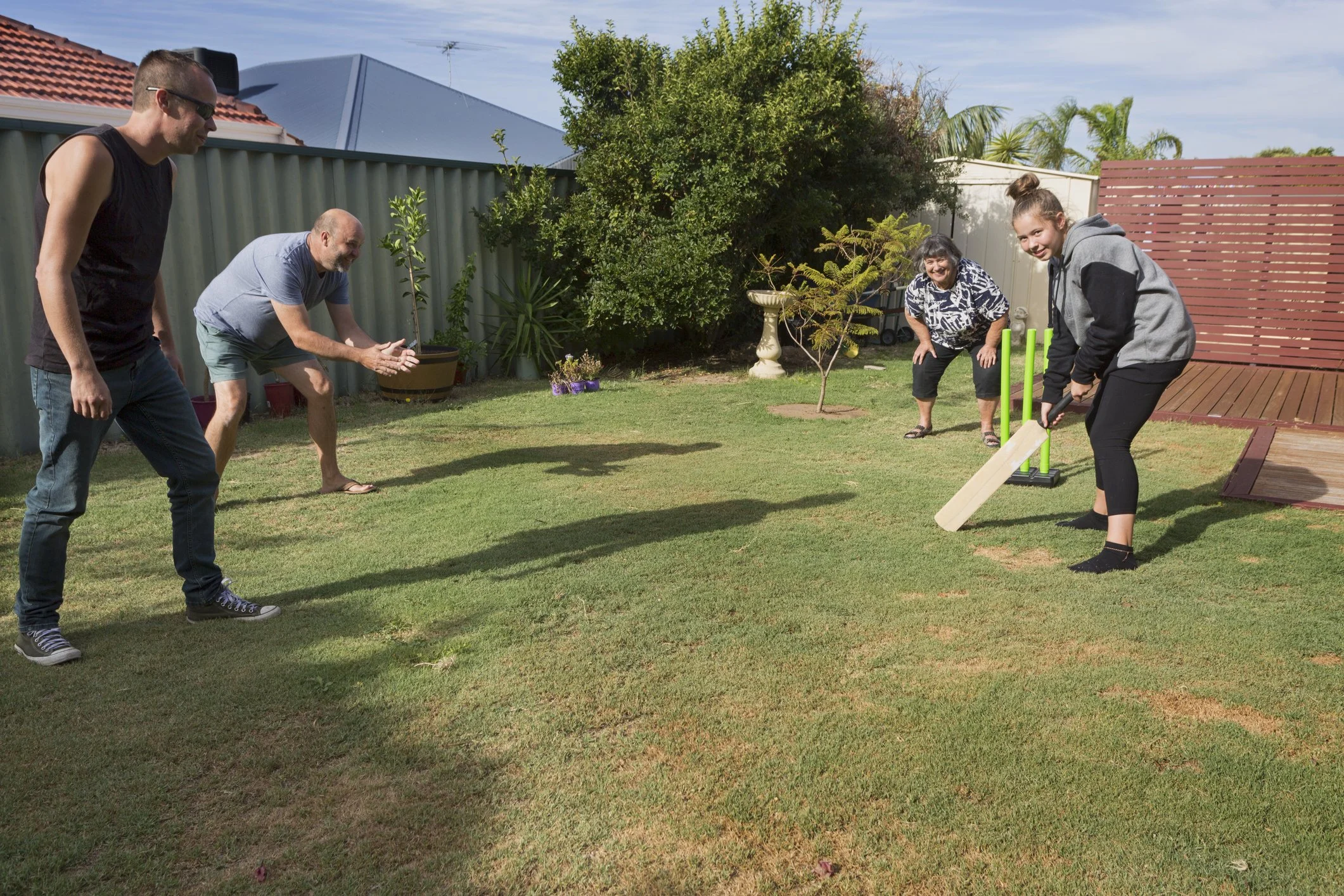
Not all families get along all the time. If you know that Auntie Karen and your cousin Bob are going to argue over the paper crown from the Christmas cracker or who gets the last piece of pudding, you could consider having a few different family events to separate the people who just don’t get along. Maybe Christmas Eve or brunch with Auntie Karen, and then a separate dinner with your cousin Bob could keep things calmer. But if it’s not possible to split the celebrations, having some activities planned may help to distract people from awkward conversations or rising tension. Anyone for a game of backyard cricket?
Overcommitment & Routine Disruption
Juggling social events along with changes to work and school schedules can be overwhelming and frustrating. While it would be nice to fit in every event, if the constant list of parties is causing you stress, you should consider prioritising invitations and committing only to those you can comfortably accommodate. Rather than trying to squeeze everything in and feeling stressed out, set healthy boundaries, focus on attending events which you are most likely to enjoy, and say ‘no’ to those that are more than you can handle or leave you feeling emotionally drained.
Healthy Ways to Reduce Stress
Find positive ways to help you relieve any stress associated with Christmas. It’s ok to take a break, say no, and avoid activities which cause you stress. Make sure to eat healthy meals when you aren’t celebrating, drink alcohol in moderation, and get plenty of sleep. Schedule downtime to do activities that you enjoy – taking time for self-care gives yourself the opportunity to rest and recharge amongst the Christmas chaos. Mindfulness, meditation or journaling may also help alleviate stress. Take time out from your schedule each day to move your body and relax your mind. And most importantly, reach out for help if you need it.
Below are some links to apps, websites and other resources which may help to understand your symptoms and manage some of your stress:
https://www.smilingmind.com.au/smiling-mind-app
For young people:
https://www.blackdoginstitute.org.au/clearlyme/
https://kidshelpline.com.au/qwibbl
https://www.smilingmind.com.au/smiling-mind-app
https://headspace.org.au/yarn-safe/ (For First Nations young people)
For First Nations people: